 Pin
Pin The first time I made Kuwaiti biryani, my kitchen filled with a cloud of cardamom and cinnamon that made me pause mid-chop just to breathe it in. I'd been handed the recipe by an older neighbor who insisted that biryani wasn't just about throwing rice and meat together—it was about layering flavors like you were building something sacred. That afternoon, watching the saffron milk seep into the rice as it steamed, I understood what she meant. This dish transforms simple ingredients into something that tastes like celebration.
I'll never forget making this for my sister's dinner party when we were trying to impress her new in-laws. The moment we lifted the foil off the pot and that saffron-scented steam rose up, the whole room went quiet. Everyone leaned in like they could smell their way into the food. By the end of the night, there were requests for the recipe, but honestly, the best part was watching people close their eyes while they ate.
Ingredients
- Bone-in chicken or lamb (900 g): The bone adds depth to the dish as it cooks down—don't skip it even if boneless seems easier.
- Plain yogurt (1 cup): This is your tenderizer and flavor base; the thickness matters, so use full-fat if you can.
- Lemon juice (2 tbsp): Cuts through the richness and brightens the spice blend in ways you won't expect.
- Ginger-garlic paste (1 tbsp): Fresh is non-negotiable here; jarred versions lose their punch.
- Ground spices (turmeric, cumin, coriander, chili, garam masala): Toast them lightly in a dry pan first if you have time—the flavor deepens beautifully.
- Basmati rice (3 cups): The long grains stay separate and delicate; don't substitute with short-grain rice.
- Ghee (throughout): This is what makes biryani sing—butter works in a pinch, but ghee's nuttiness is irreplaceable.
- Whole spices (cloves, cardamom, cinnamon, bay leaf): These scent the rice as it cooks; fishing them out at the end is worth the effort.
- Caramelized onions (2 large): Don't rush this step—those 12 to 15 minutes turn sharp onions into something sweet and complex.
- Fresh herbs (coriander and mint): They should smell bright and alive when you chop them.
- Saffron (pinch, soaked in warm milk): The luxury ingredient that makes this feel special; a little goes a long way.
- Fried onions (1/4 cup for garnish): These add a final textural note that brings everything together.
- Nuts and raisins (optional): They soften as they cook and add sweetness that balances the savory spices.
Tired of Takeout? 🥡
Get 10 meals you can make faster than delivery arrives. Seriously.
One email. No spam. Unsubscribe anytime.
Instructions
- Build your flavor base:
- Whisk together the yogurt, lemon juice, ginger-garlic paste, and all the ground spices in a large bowl. The mixture should smell warm and inviting—this is where your biryani's soul lives. Add the meat, coat it completely, and let it sit covered in the fridge for at least an hour; overnight is even better because the flavors deepen.
- Prepare the rice:
- Rinse your basmati rice under cold water three times—watch the water go from cloudy to almost clear, which means you've removed the starch. Let it soak for 30 minutes; this helps it cook evenly.
- Par-cook the rice:
- Bring a pot of salted water to a rolling boil and add the whole spices—cloves, cardamom, cinnamon, and bay leaf. When you drop in the drained rice, set a timer for 6 to 7 minutes and resist the urge to stir too much. The rice should still feel slightly firm when you bite into a grain; it finishes cooking in the oven.
- Char the onions:
- In your ovenproof pot or Dutch oven, heat ghee over medium heat and add the thin-sliced onions. This is where patience matters—let them sit and cook without stirring constantly. After about 12 to 15 minutes, they'll turn golden and smell almost caramelized, which means they're ready. Scoop out half for garnish and keep the rest in the pot.
- Cook the meat:
- Add the marinated meat to the onions still in the pot and let it sear for 5 to 7 minutes on medium heat without moving it around too much. Once it's got some color, lower the heat, cover, and let it cook gently for 20 to 25 minutes for chicken or 35 to 40 minutes for lamb until the meat is tender enough to fall apart with a spoon.
- Layer like you mean it:
- Sprinkle half of your fresh herbs, raisins, and toasted nuts over the meat. Then lay half of the par-cooked rice carefully over everything. Add the remaining herbs, nuts, and raisins, and crown it all with the rest of the rice. This isn't hasty—each layer matters.
- Add the saffron magic:
- Pour that milk infused with saffron evenly across the top of the rice. Dot with ghee or butter so it melts down through the layers as it cooks. This is the step that transforms rice into something golden and aromatic.
- Steam and bake:
- Cover your pot tightly with foil first, then place the lid on top so steam doesn't escape. Slide it into a preheated 180°C (350°F) oven for 30 to 35 minutes. You'll hear a gentle sizzle at the bottom—that's the sound of biryani being born.
- Rest and finish:
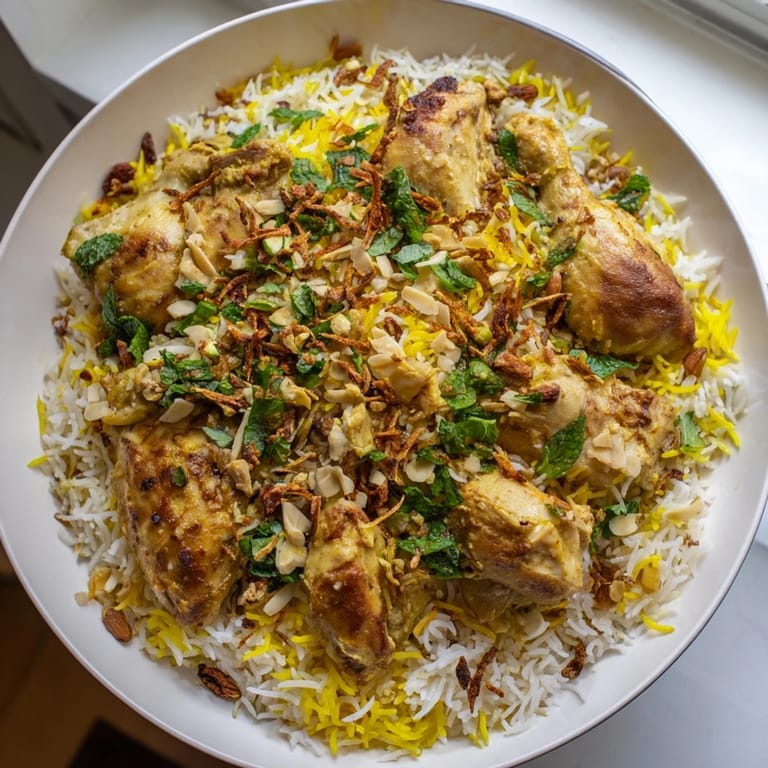
- Take the pot out, keep it covered, and let it rest for 10 minutes. This lets everything settle. When you remove the foil, a cloud of fragrant steam will escape—that's your cue to gently fluff with a fork. Serve with the caramelized onions and fried onions sprinkled on top.
 Pin
Pin The smell that fills your kitchen when you finally uncover that pot is unforgettable—it's the moment when all the work becomes worth it. My daughter, who usually picks at her food, asked for seconds without being asked, and that's when I knew biryani had become our dish too.
The Secret Life of Spices
What surprised me most about biryani was how the spices don't compete—they dance together. The turmeric gives warmth, the cumin adds earthiness, coriander brings a subtle citrus note, and garam masala ties it all into something bigger than its parts. I learned early on that grinding your own spices makes a difference, but honestly, good quality ground spices work fine if that's what you have. The real secret is tasting as you go and trusting your instincts if something feels like it needs more salt or a pinch more chili.
Why This Dish Is Worth the Time
Biryani is a celebration dish in Kuwaiti kitchens, often appearing at weddings, holidays, and special gatherings. The layering technique isn't just cooking—it's ceremony. I've watched my neighbor arrange the herbs and nuts with the care some people give to plating desserts, and I finally understood that this dish asks you to slow down. The cooking time isn't a burden; it's an invitation to set aside an afternoon, fill your home with fragrance, and make something that tastes like generosity.
Serving and Pairing
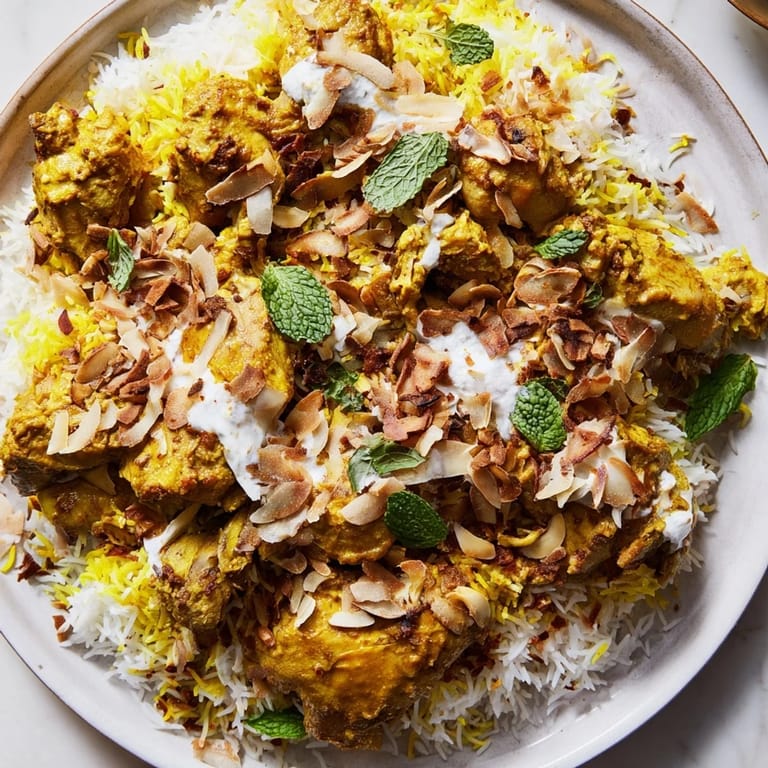
Biryani is hearty enough to stand on its own, but a cool raita on the side does wonders—the yogurt balances the richness and the spice in a way that feels natural. A simple cucumber-yogurt salad with fresh lemon juice works beautifully too, especially if your guests prefer something lighter. Some people add a few drops of rose water to the saffron milk before drizzling, which adds a floral note that feels luxurious without being overpowering.
- Always let your guests know there are whole spices mixed in—a gentle warning prevents awkward moments with cloves.
- Leftover biryani actually improves after a day; the flavors deepen and the rice becomes even more fragrant.
- If you're feeding vegetarians, marinate paneer or a mix of vegetables in the same yogurt blend for a version that feels equally special.
 Pin
Pin Making Kuwaiti biryani taught me that some dishes are worth the patience, the planning, and the careful layering. Every time I make it, it feels a little more like home.
Recipe Q&A
- → What spices are essential for Kuwaiti biryani?
Key spices include turmeric, cumin, coriander, chili powder, and garam masala, which provide the distinct warm and aromatic flavor profile.
- → How do you ensure the rice layers well without becoming mushy?
Soak basmati rice beforehand and cook until it's about 70% done, still firm to the bite. Drain well before layering to maintain texture.
- → What type of meat works best for this dish?
Bone-in chicken pieces or lamb cut into serving sizes are ideal for deep flavor and tenderness after slow cooking.
- → How is saffron incorporated into the dish?
Saffron threads are soaked in warm milk and drizzled over the top layer of rice before baking, imparting a subtle aroma and golden hue.
- → Can the layering be prepared ahead of time?
Yes, marinate the meat overnight and par-cook the rice in advance. Assemble the layers shortly before baking for best results.
- → What garnishes enhance the final presentation?
Fried onions, toasted nuts like almonds or cashews, and fresh herbs such as coriander and mint add texture and fresh notes.